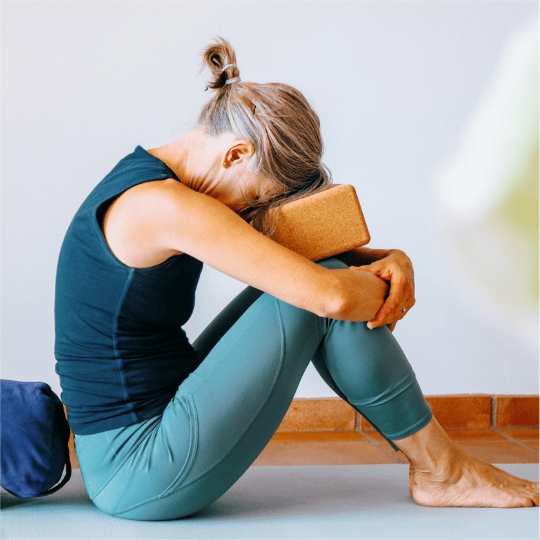
Perimenopause
The transition years before menopause — can bring shifts in sleep, mood, energy, stress response, and physical comfort as hormone levels change. Yoga, when practiced with intention, supports the nervous system, helping the body become steadier, calmer, and more resilient during this transition.
This isn’t about flexibility or physical perfection. It’s about practical movement, breath awareness, and nervous system regulation.
What is perimenopause?
Perimenopause usually begins in your 40s (but can start earlier) and lasts until menopause — marked by the end of monthly periods. During this time, estrogen production changes and can affect many body systems, including sleep, mood, metabolism, and bone health.
Symptoms commonly reported include:
- Hot flashes & night sweats
- Sleep disturbance
- Mood swings, irritability
- Anxiety or low mood
- Brain fog or memory changes
- Fatigue
- Reduced libido
- Discomfort during sex
- Joint stiffness or aches
- Weight fluctuations
Each woman’s experience is unique.
How yoga supports the nervous system in perimenopause
Yoga helps by moving your system toward nervous-system regulation: it can reduce stress reactivity, improve breath coherence, and support calming responses. Practices that focus on steady breath and mindful movement help you shift out of fight-or-flight and into a more regulated state.
This supports sleep, reduces tension, and can make symptoms feel more manageable.
Managing stress and sleep changes during perimenopause begins with understanding how your nervous system regulates itself — learn more in my foundational guide to yoga therapy for nervous system regulation
Benefits You May Notice
Stress & Emotional Regulation
Gentle yoga practices with intentional breathing help calm the sympathetic nervous system and support emotional balance.
Better Sleep
Slow, restful sequences before bed signal safety to the nervous system and may improve sleep quality.
Physical Comfort & Mobility
Targeted movement supports circulation, eases muscle tension, and encourages joint ease without strain.
Support for Hot Flashes & Fatigue
Reclined and restorative positions can ease nervous system reactivity and support cardiovascular ease.
Yoga practices that support perimenopause
Below are some grounding practices organized by benefit and how they support your system:
1. Forward bends are good for anxiety, irritability and insomnia
Forward bends can help reduce anxiety, irritability, and tension. Folding forward and shutting out all your external stimuli will soothe your mind and reduce stress. When your nervous system signals that all is well, your adrenal glands and sympathetic nervous system can stop working so hard.
Standing forward bend
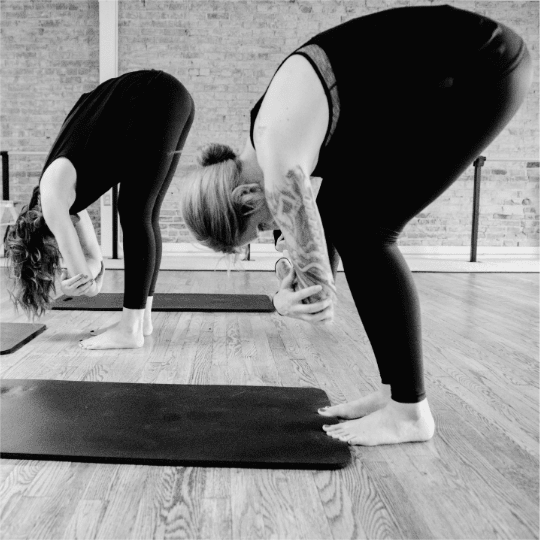
Have a generous bend in your knees and fold from your hips. Let your head your upper body hang loose like a rag doll.
Seated forward bend
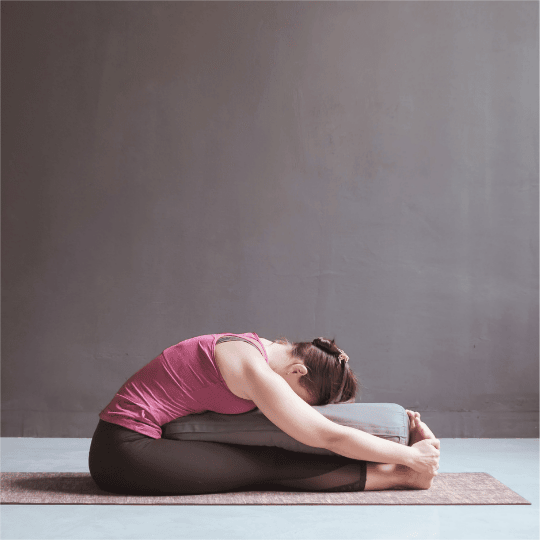
Bend your knees if you need to, fold from your hips, try with a pillow on your lap to support your upper body as it folds forward. Let your head hang, maybe build up the pillows to rest your forehead.
2. Backbends help with fatigue, supported backbends help with hot flashes
Gentle-supported backbends encourage your chest and the heart to open and increase your energy. It also improves respiration and circulation and helps lift spirits. Any tension in your body can make hot flashes worse. Use bolsters, blankets, or blocks to support your entire body. Reclined poses with proper support should cool and ease hot flashes.
Reclined bound angle pose
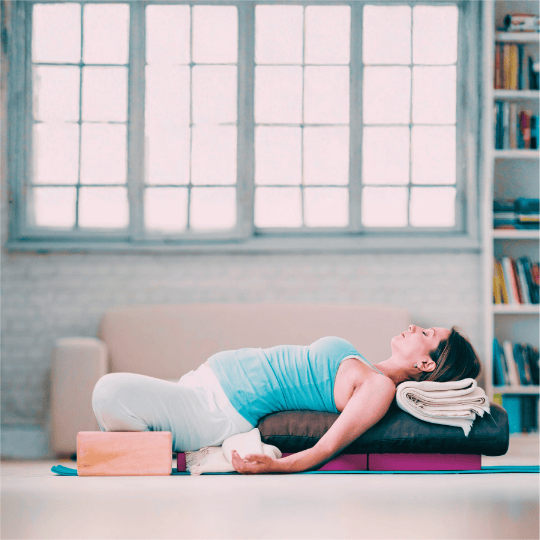
This is one of the best therapeutic yoga poses for peri-menopause. It can be tremendously beneficial with hot flashes and fatigue.
Press the soles of your feet press together. Let your legs open like a butterfly. Put pillows on the outside of your knees to support your legs as they open. Recline and use as many pillows you need to support your back and head. Your head can be level with your back there is no need for a big arch in your back in this back bend. Make it feel good. Hang here for 20 breaths or so.
Supported Bridge pose
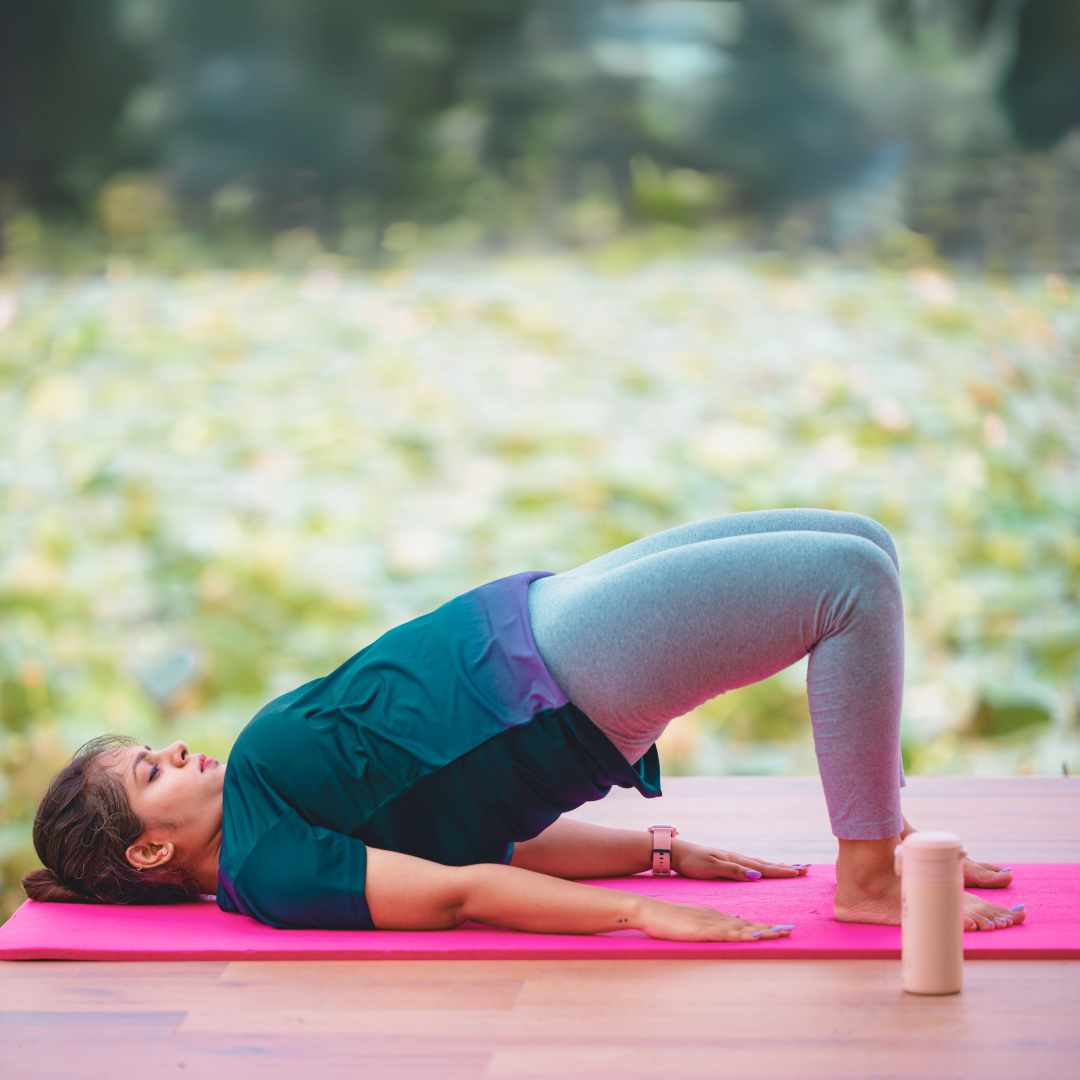
Bridge pose can be amazing for your pelvic floor muscles. Whilst in the pose you can place a block between your knees and squeeze to activate inner thigh muscles. Also do your Kegels whilst your hips are raised. Link below for how to guide. For a supported backbend place a block under your sacrum (flat bit of your pelvis).
Kegel exercises strengthen the pelvic floor muscles. These muscles support the uterus, bladder, small intestine and rectum. Kegel exercises also are known as pelvic floor muscle training.
3. Inversions help with depression & brain fog
Everything you do with your body can affect your thoughts and attitude. Sometimes something as subtle as a shift in posture can lighten a dark mood. Inversions can help improve a depressed mood. In effect, they are turning everything upside down. Of course being upside down also increases blood to the brain.
Legs up a wall
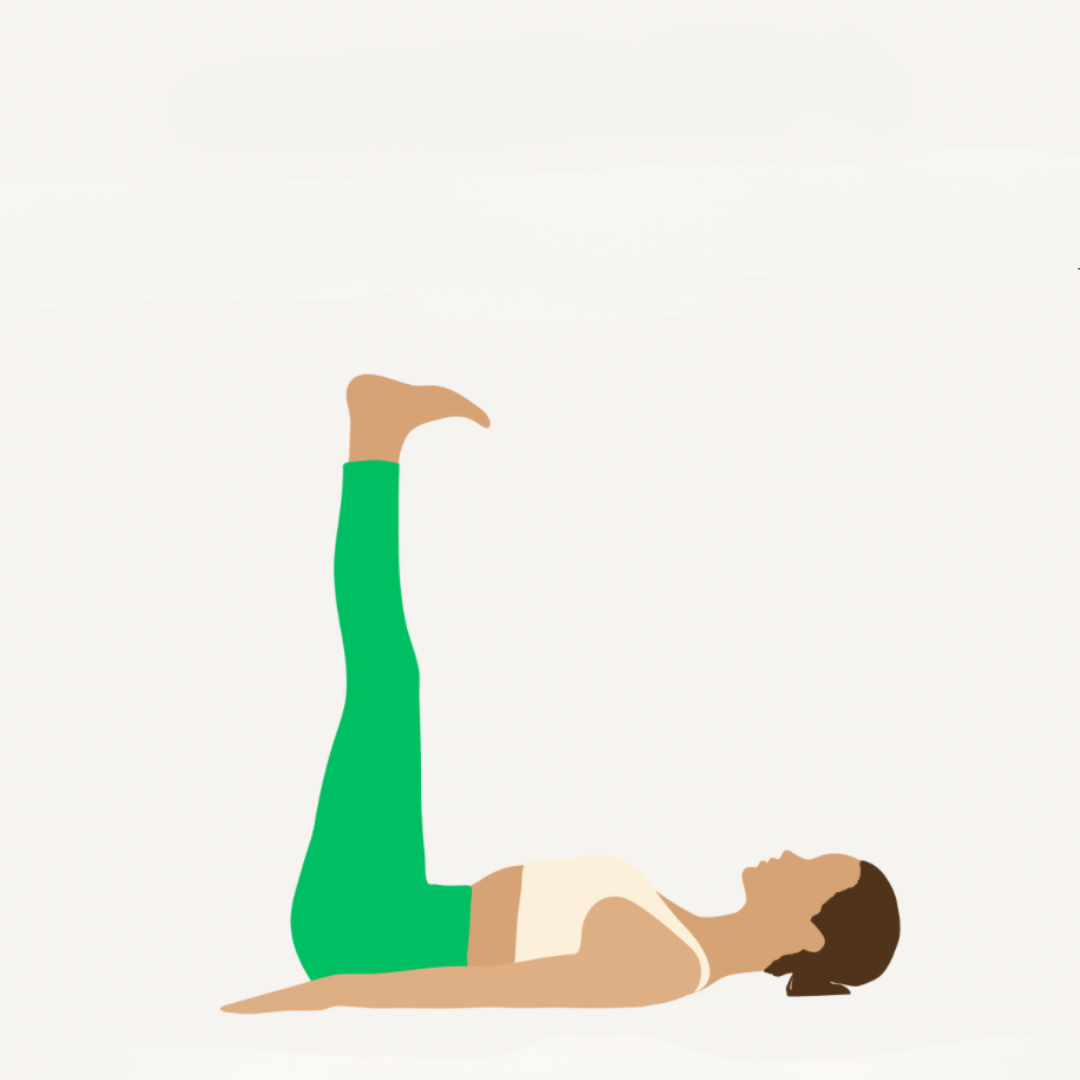
Start by sitting sideways to the wall with your hip pressed against the wall. Lie back and swing the legs up. Use a pillow under your head if needed. This should feel comfortable.
Triangle pose
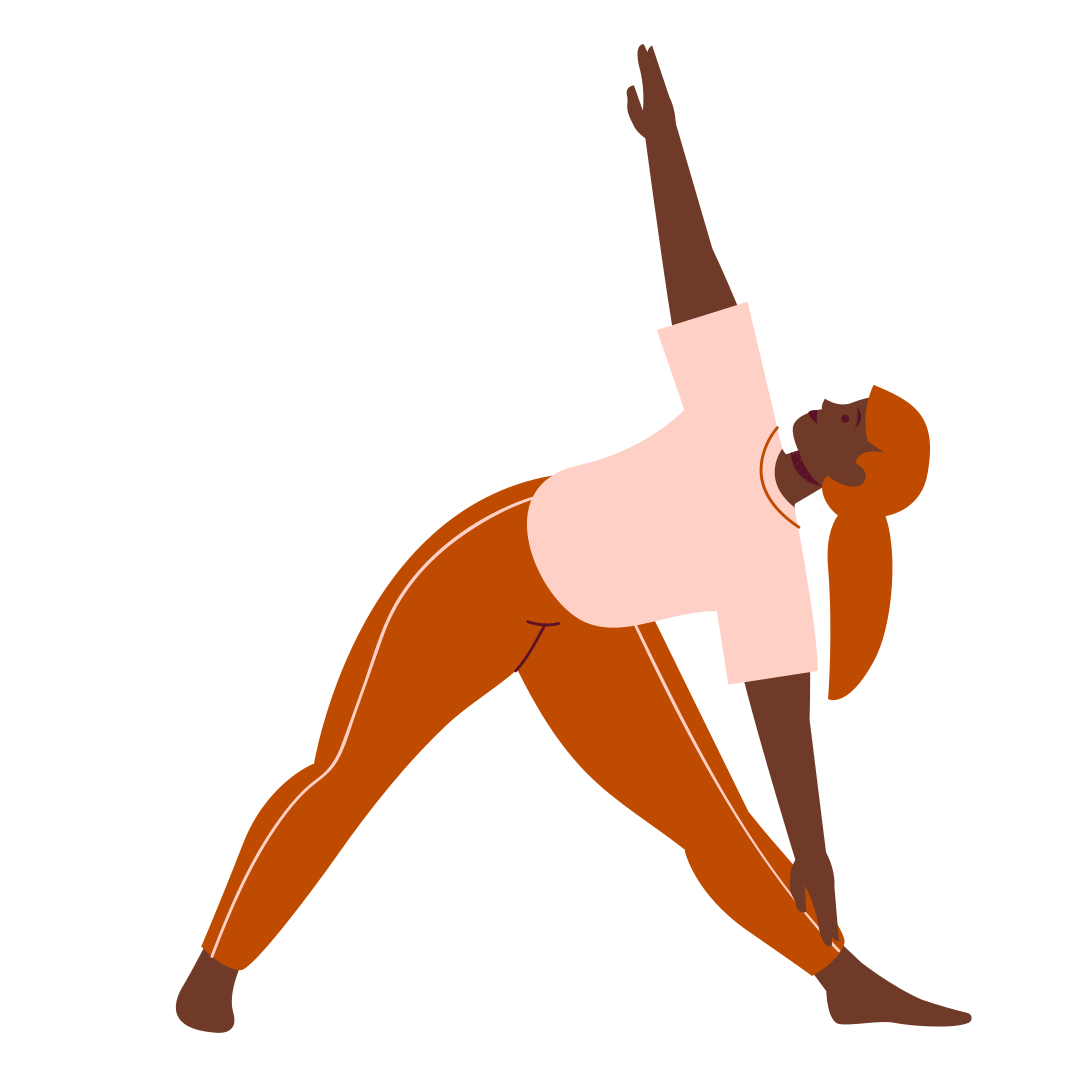
Triangle pose is great for preventing osteoporosis, because it is weight-bearing. stimulates your abdominal organs and calms your nervous system. It also helps reduce anxiety & can help with digestive issues.
Modifications for Comfort
Use blankets, bolsters, blocks, or cushions for support
Breathe slowly: long inhales, gentle exhales
Move at your nervous system’s pace — not past it
Try positive affirmations
These allow you to challenge any negative thoughts. If you do it every day, can start to retrain the way you think. You can remove the negative self-talk and increase your self-esteem. Pick something that resonates with you.
The morning is a time to create an intention for the day.
- I am strong, capable & kind.
- I have the power to change my story.
- I choose to respond to this challenge with grace and positivity.
- I will not worry about tomorrow. I will enjoy today.
At night is a more reflective time. Perhaps a time for gratitude
- I am grateful for my supportive family & friends.
- I am grateful for the growth I experienced today.
Try mudras
Mudra means seal mark or gesture in Sanskrit.
Mudras are traditionally practiced to intensify the effects of your yoga or meditation practice and enhance focus. They can also be a, practical addition to your meditation by adding focus to your hands.
The Yoni Mudra is dedicated to the female Hindu goddess Shakti. Yoni means womb. The practice of Yoni Mudra is associated with strength and power.
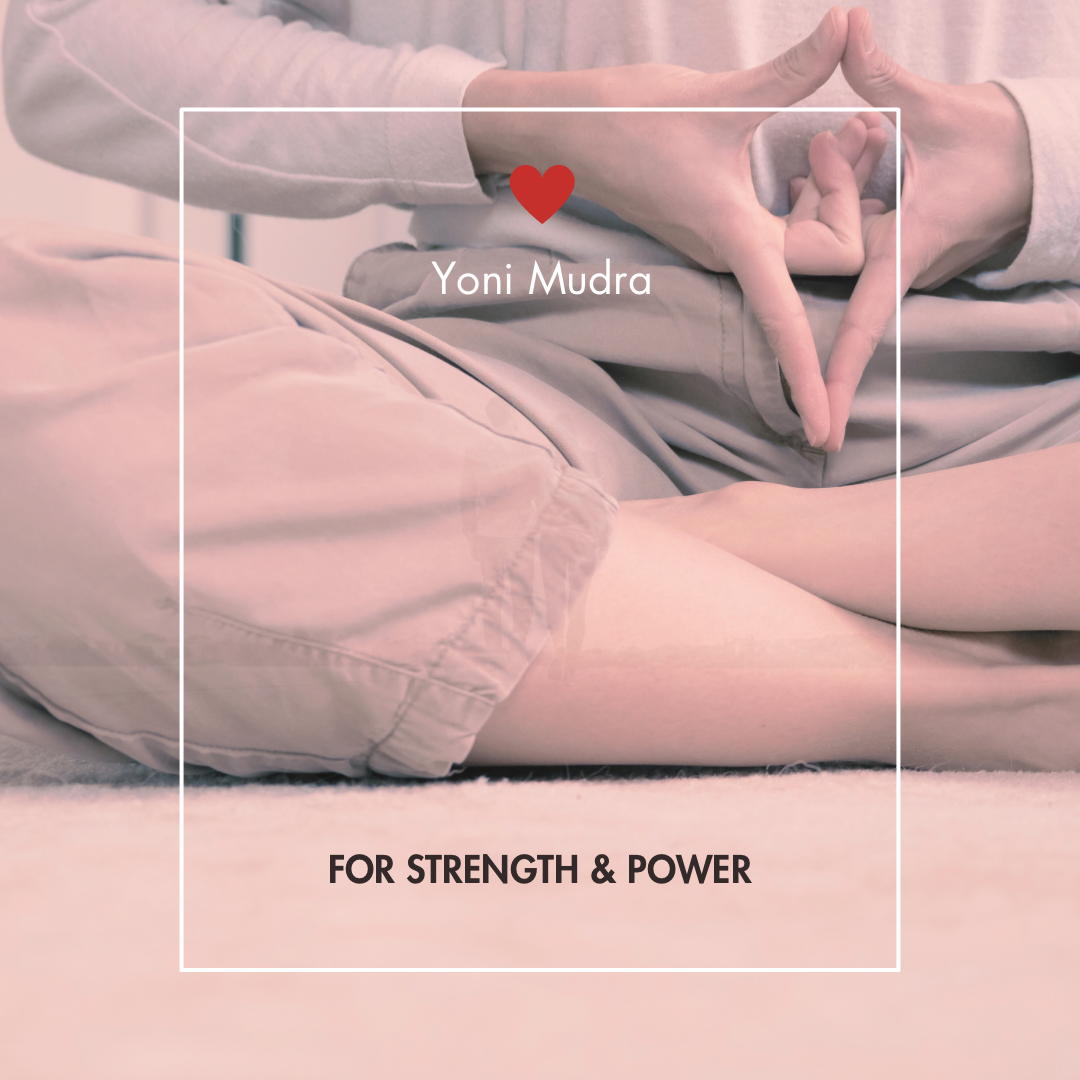
You place your thumbs together and pointed upwards, index fingers together pointed downwards, press the other fingers together. Sit comfortably and follow your breath.
As you breathe slowly, feel the movement beneath your hands. The shape offers gentle structure, which can help the nervous system settle and organize.
Used this way, the mudra supports diaphragmatic breathing, interoceptive awareness, and a felt sense of stability — honoring tradition while remaining practical and embodied.
What happens after menopause?
If your periods have stopped for a year or more you are described as being post-menopausal.
In post-menopause, your menopause symptoms may ease or stop altogether, but some women continue to have symptoms for longer.
Because your body is producing less estrogen there can be an increased risk of some health conditions like;
- cardiovascular (heart) disease
- osteoporosis (weak bones)
- urinary tract infections (UTIs)
So it’s really important to make sure you have a good, healthy diet and lifestyle, you exercise and keep going to your regular screenings.
When to seek personalized support
Yoga supports regulation and comfort but isn’t a replacement for medical care. If symptoms feel overwhelming or persistent, pairing yoga with professional guidance and lifestyle support provides the strongest foundation.
Ready for personalized yoga therapy?
If you want support tailored to your history, nervous system reactivity, and goals — not a generic sequence — explore our yoga therapy sessions designed for perimenopause support.
Leave a Reply