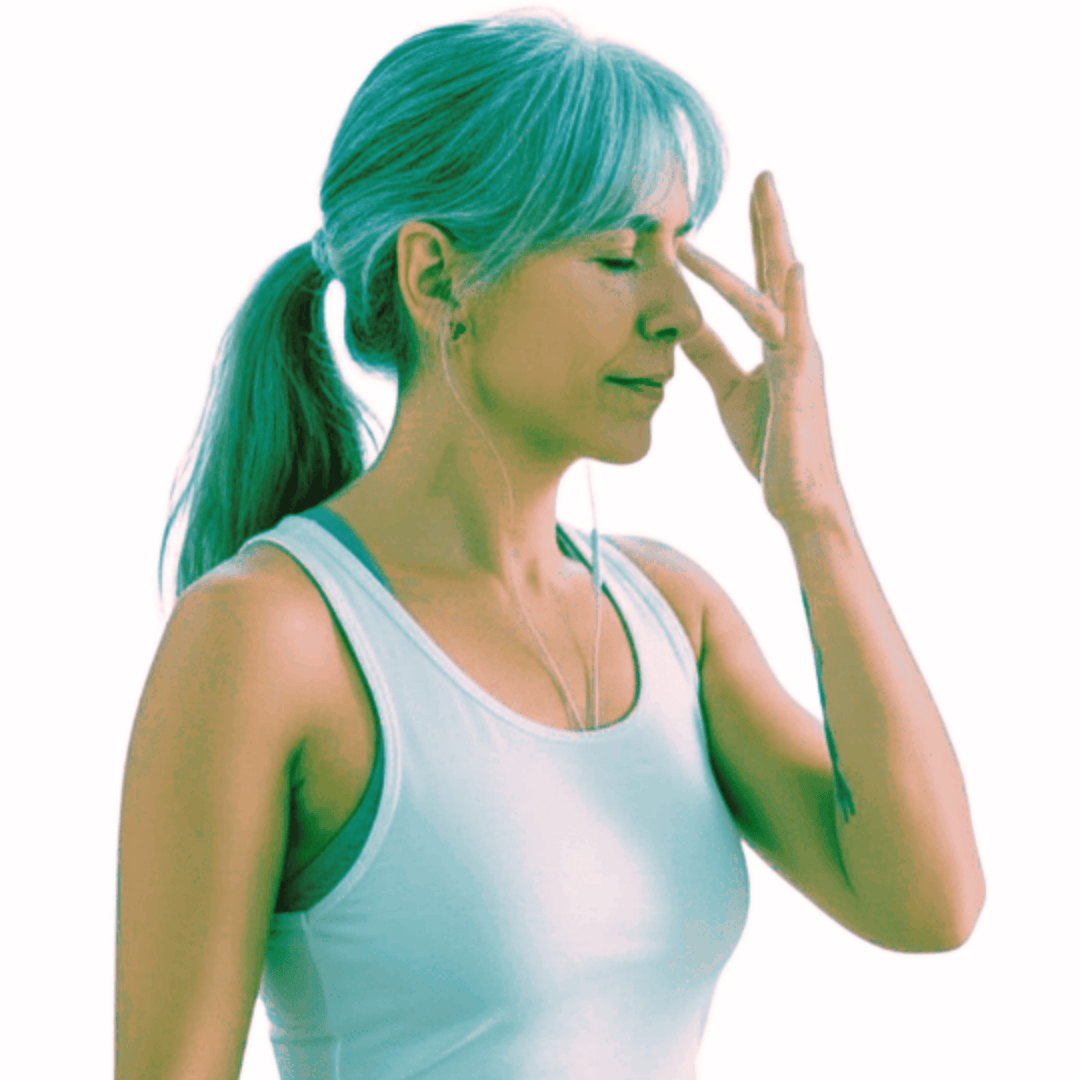
Menopause is a time of significant change in the body and mind. Many women notice increased anxiety, brain fog, hot flashes, and difficulty sleeping. One of the simplest yet most effective tools you have is breathing. Practicing intentional breathwork can calm your nervous system, reduce stress, and improve your overall sense of balance.
In this article, we’ll cover the best breathing techniques for menopause, when to use them, and how to make them part of your daily routine.
Always listen to your body. Breathwork can sometimes feel stressful—especially when you’re feeling wired or anxious. A simple trick: make your exhale just a bit longer than your inhale, without forcing it. This gently nudges your nervous system from fight-or-flight toward calm.
If structured breathwork feels too much, try moving slowly with your breath. Your mind focuses on the movement, but your breath naturally slows. Even something as simple as raising your arms on an inhale and lowering them on an exhale can be surprisingly calming.
Why Breathing Helps During Menopause
During menopause, hormonal shifts can create a hyperactive stress response, affecting the nervous system. This can show up as:
- Anxiety or irritability
- Brain fog and difficulty focusing
- Hot flashes and night sweats
- Trouble falling or staying asleep
Breathing exercises help activate the parasympathetic nervous system (your “rest and digest” mode), which can:
- Calm anxiety
- Improve clarity and focus
- Reduce the intensity of hot flashes
- Promote restorative sleep
For a deeper understanding of how menopause affects the nervous system, check out this guide: Menopause, Stress, and the Nervous System: A Practical Guide to Feeling Like Yourself Again.
1. Diaphragmatic Breathing (Belly Breathing)
Best for: Anxiety, brain fog, sleep
How to do it:
- Sit or lie down comfortably.
- Place one hand on your belly, one on your chest.
- Inhale slowly through your nose, allowing your belly to rise while keeping your chest still.
- Exhale fully through your mouth, letting your belly fall.
- Repeat for 5–10 minutes, focusing on the rise and fall of your belly.
Why it works: Belly breathing encourages full oxygen exchange, slows your heart rate, and sends a signal to your brain that you are safe, helping reduce anxiety and clear mental fog.
2. 4-7-8 Breath (Sleep-Friendly Technique)
Best for: Falling asleep, calming night-time anxiety
How to do it:
- Inhale quietly through your nose for a count of 4.
- Hold your breath for a count of 7.
- Exhale completely through your mouth for a count of 8.
- Repeat 4 cycles (increase gradually over time).
Why it works: This technique slows your breathing, triggers relaxation, and prepares the nervous system for restful sleep.
3. Cooling Breath (Sitali or Sheetali)
Best for: Hot flashes, night sweats
How to do it:
- Sit comfortably with your spine straight.
- Roll your tongue into a tube (Sitali) or slightly purse your lips (Sheetali).
- Inhale slowly through your mouth, feeling the cool air.
- Exhale through your nose.
- Repeat 5–10 rounds, focusing on the sensation of cooling.
Why it works: This practice helps lower body temperature, calm the nervous system, and reduce the intensity of hot flashes.
4. Box Breathing (Square Breathing)
Best for: Anxiety, brain fog, focus
How to do it:
- Inhale through your nose for 4 counts.
- Hold your breath for 4 counts.
- Exhale for 4 counts.
- Hold the exhale for 4 counts.
- Repeat for 5–10 minutes.
Why it works: Box breathing helps regulate the nervous system, improve concentration, and reduce feelings of overwhelm.
For a step-by-step approach to using yoga therapy to support your nervous system, see the guide: Yoga Therapy for Nervous System Regulation.
Tips for Making Breathing Practice a Daily Habit
- Practice for 5–15 minutes daily—even once in the morning or evening can help.
- Use reminders on your phone or calendar.
- Combine breathing with gentle yoga or meditation for deeper benefits.
- Track how your symptoms improve over time.
Final Thoughts
Breathing is a powerful tool you always have with you. Whether you’re dealing with anxiety, brain fog, hot flashes, or sleepless nights, these techniques can help you feel calmer, clearer, and more like yourself during menopause.
Start with one technique and gradually explore the others—over time, you’ll notice a significant improvement in emotional balance and physical comfort.
To integrate these breathing practices with yoga therapy techniques specifically designed for menopause, check out these cornerstone guides:
Leave a Reply