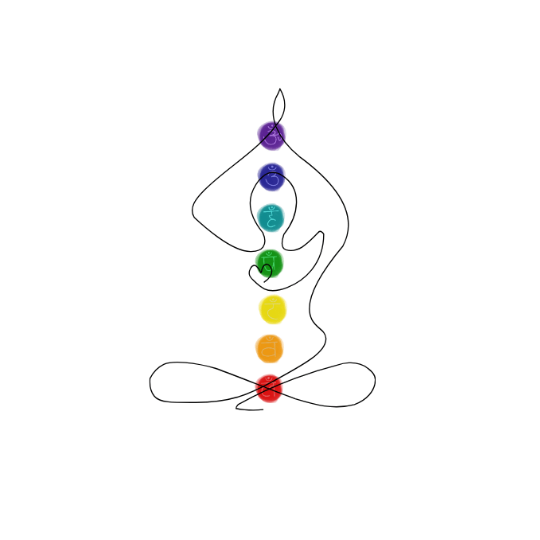
A Nervous System–Informed Framework
In yoga therapy, the chakra model is used as a structured lens — not as mysticism, but as a way to understand how stress patterns organize in the body.
It offers a practical map for noticing where we feel steady or unsettled, open or guarded, energized or depleted.
Rather than treating chakras as literal energy centers, we use the framework to explore how breath, posture, emotion, and attention interact. It becomes a guide for restoring regulation across systems.
Ancient Map, Modern Physiology
Many of the themes traditionally associated with the chakra system parallel what we understand today through physiology:
- Autonomic nervous system balance
- Breath rhythm and efficiency
- Muscular holding patterns
- Stress response and recovery
- Emotional processing and clarity
In this context, the work is not about “balancing energy.”
It is about improving regulation and resilience.
When the nervous system feels supported, the body reorganizes.
- Breath deepens.
- Tension softens.
- Focus steadies.
- Presence returns.
How It’s Applied in a Session
A chakra-informed yoga therapy session may include:
- Specific breath ratios to shift autonomic tone
- Gentle, targeted movement to reduce protective tension
- Supported positioning to foster neural safety
- Interoceptive awareness practices
- Guided reflection for integration
The framework simply provides structure. The goal is sustainable regulation — not activation, not intensity, but steadiness.
Yoga therapy meets you where you are at
Whether stress feels physical, emotional, or mental, this integrative approach supports the whole system — helping you move toward greater stability, clarity, and ease.
How to understand the chakra model
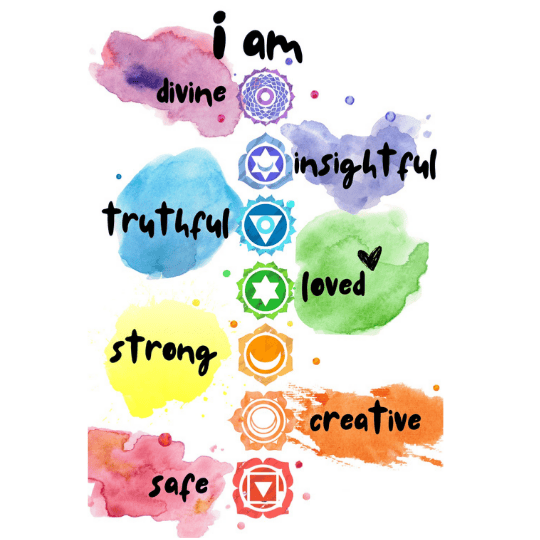
Root Chakra
I am safe
Root chakra is the first step on the journey of personal development and relates to embodiment and befriending your body.
Sacral Chakra
I am creative
Sacral chakra is the dwelling place of your self and relates to self-awareness.
Solar Plexus Chakra
I am strong
Solar plexus chakra is the center of your personal power. This chakra govern identity, as well as personal freedom, choice, and authenticity. Self-love, self-acceptance, and acknowledgment of your worth are related to this chakra.
Heart Chakra
I am loved
The heart chakra is associated with unconditional love, compassion, and joy. It is the source of profound truths that cannot be expressed in words.
Throat Chakra
I am truthful
The throat chakra is concerned with your ability to speak your truth and is therefore truth in action.
Third Eye Chakra
I am insightful
The third eye is the chakra of your intuition. Discernment comes from a balance of intellectual reasoning combined with your intuition and gut instincts. Discernment is your ability to perceive what is true.
Crown Chakra
I am divine
On an emotional level, the crown chakra generates devotion, inspirational and prophetic thought, mystical connections, and transcendental ideas. Opening of the crown chakra brings bliss and therefore relates to flow.
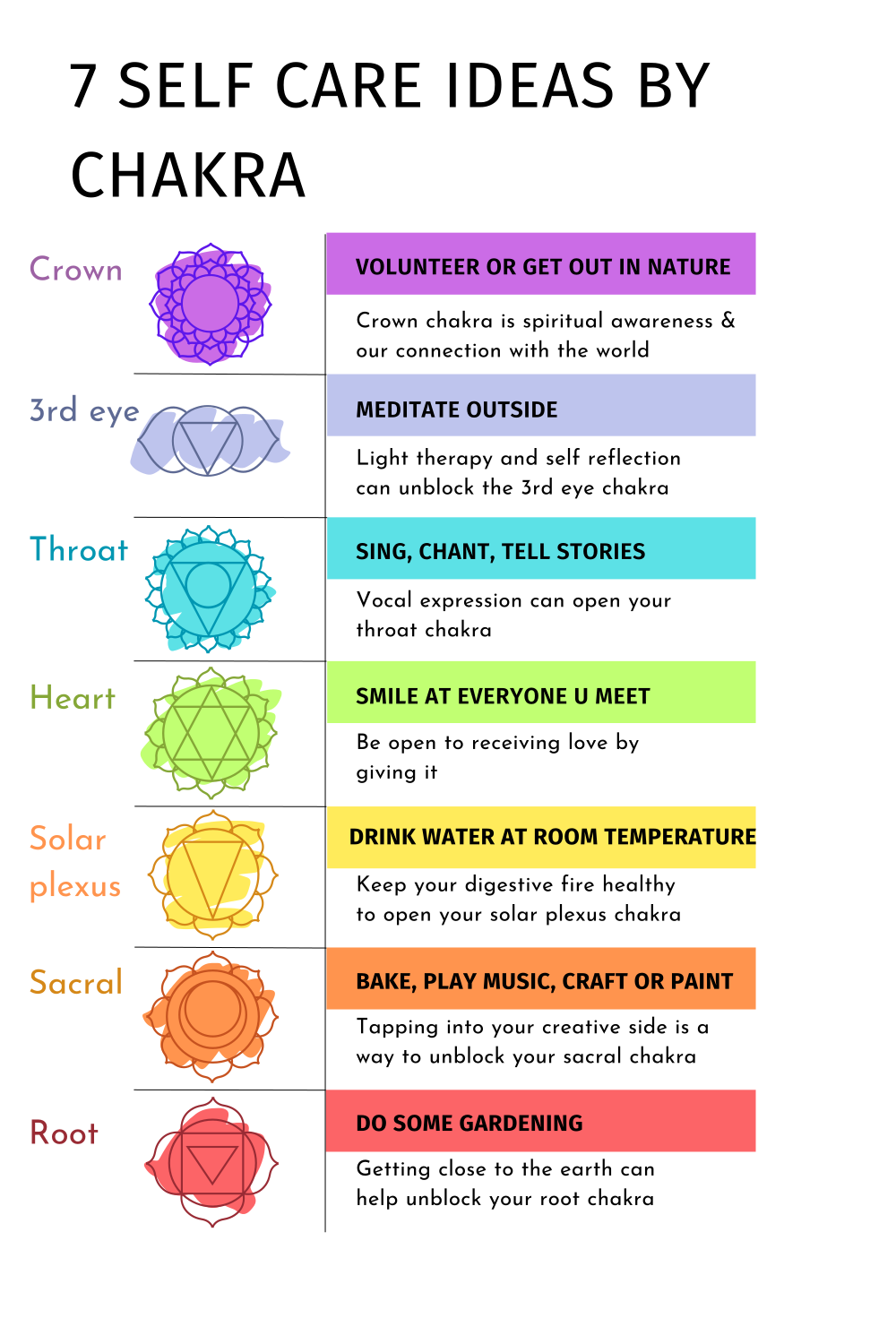
Yoga therapy, the chakras and self care
Although in my sessions I don’t prescribe yoga poses for blocked or imbalanced chakras I do like to draw on yogic philosophy and teachings. Here is a fun list of 7 self-care ideas related to your chakras for you try. Start at the root and do one each weekend.
Leave a Reply