
Pickleball is fun, social and friendly! The rules are simple and the game is easy for beginners to learn, but can develop into a fast-paced, competitive game.
Injury prevention, mobility & smarter recovery
Pickleball is fast, addictive, and surprisingly demanding on the body.
Quick lateral movements. Repetitive shoulder swings. Sudden stops. Rotational torque.
It’s no surprise many players begin noticing:
- Shoulder tightness or irritation
- Tennis elbow symptoms
- Low back stiffness
- Hip restriction
- Knee strain
Yoga for pickleball players isn’t about passive stretching. It’s about building joint stability, mobility, and recovery capacity so you can stay strong on the court — and keep playing long-term.
Why pickleball players need more than stretching
Most players focus on playing more.
Few focus on recovery and structural balance.
Pickleball creates repetitive patterns:
- Dominant-side rotation
- Forward shoulder positioning
- Wrist and elbow strain
- Sudden directional changes
Therapeutic yoga helps counterbalance these patterns by:
- Improving shoulder and scapular stability
- Supporting elbow and wrist resilience
- Restoring hip mobility for lateral movement
- Strengthening deep core for rotational control
- Supporting nervous system recovery after play
This is about longevity — not just flexibility.
Common pickleball aches – how yoga helps
1. Shoulder Tightness & Rotator Strain
Overhead swings and repetitive paddle motion overload the front of the shoulder.
Focus on:
- Thoracic spine mobility
- Scapular stabilization
- Posterior shoulder strength
Helpful movements:
- Thread the Needle
- Low cobra (gentle spinal extension)
- Supported plank variations
2. Tennis Elbow & Wrist Irritation
Repetitive gripping stresses forearm tendons.
Support with:
- Wrist mobility drills
- Forearm strengthening
- Gentle nerve-glide style movements
Avoid aggressive stretching when inflamed.
3. Hip Tightness & Lateral Instability
Pickleball demands quick side-to-side movement.
Without hip mobility and glute strength, knees and low back compensate.
Helpful movements:
- Low lunge variations
- Chair pose for controlled strength
- Side-lying leg lifts
- Controlled single-leg balance work
This builds stability for faster reaction time.
A simple pre-play yoga warm-up (5–8 minutes)
Before you step onto the court:
- Cat–Cow (spinal mobility)
- Dynamic low lunges (hip opening)
- Shoulder circles + scapular push-ups
- Light chair pose pulses
- Single-leg balance with gentle rotation
This prepares joints and activates stabilizers.
A post-play recovery sequence (8–10 minutes)
After play, focus on down-regulation and tissue release:
- Supine twist
- Figure-four stretch
- Supported forward fold
- Gentle chest opener
- 3–5 minutes slow diaphragmatic breathing
This supports tissue recovery and helps your nervous system shift out of high alert mode.
Better recovery time builds resilience.
Great yoga poses for pickleball
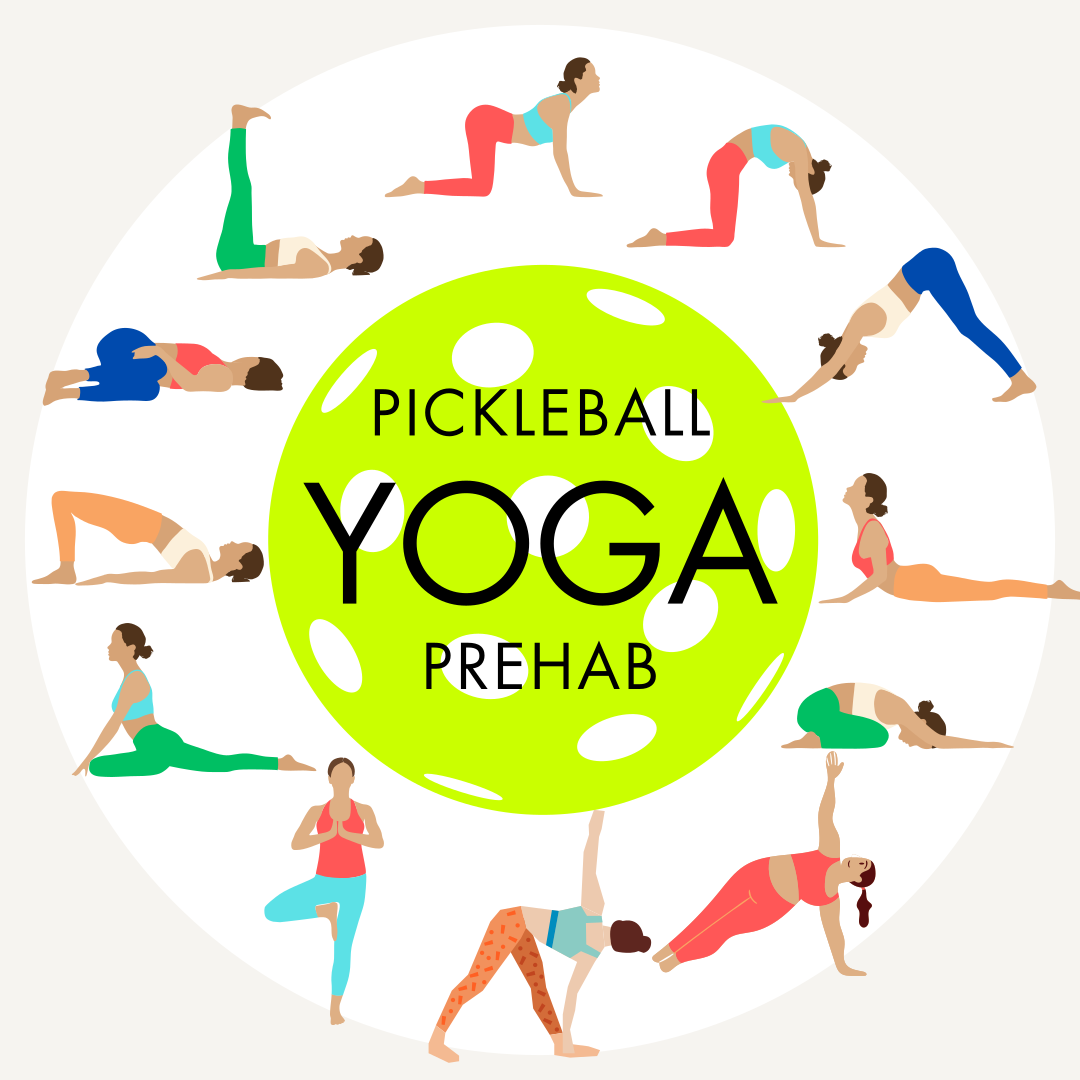
Here are some poses for you to try. Never stretch beyond your limits. You may notice an element of slight discomfort but you should not feel pain. Yoga is a balance of effort and ease, you should always be able to breathe comfortably in the poses.
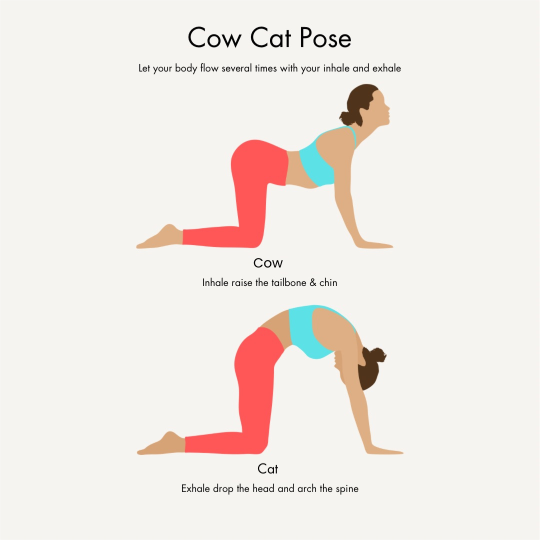
1. Cow Cat
Releases tension in your spine and hips. Great after a long pickleball game.
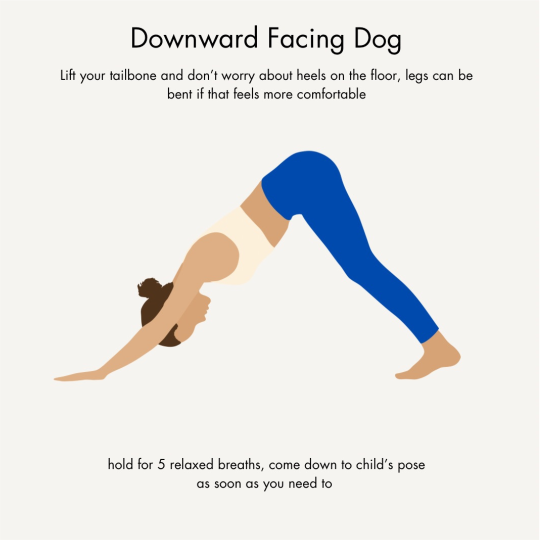
2. Down Dog
Stretches the back of your legs and back, strengthens your arms, shoulders and legs. Is weight bearing.
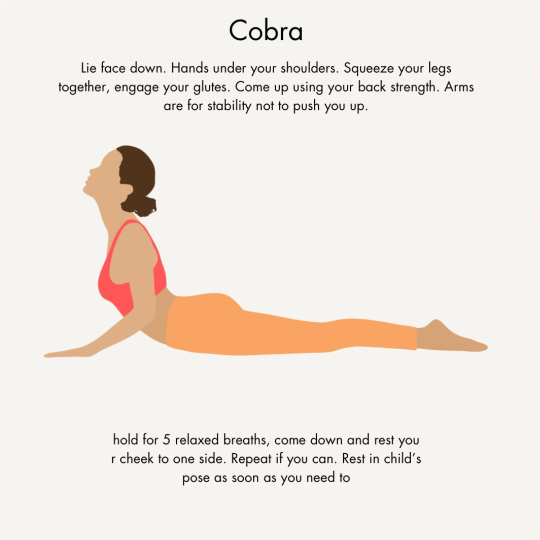
3. Cobra
Stretches your psoas, and hip flexors, strengthens your back and glutes.
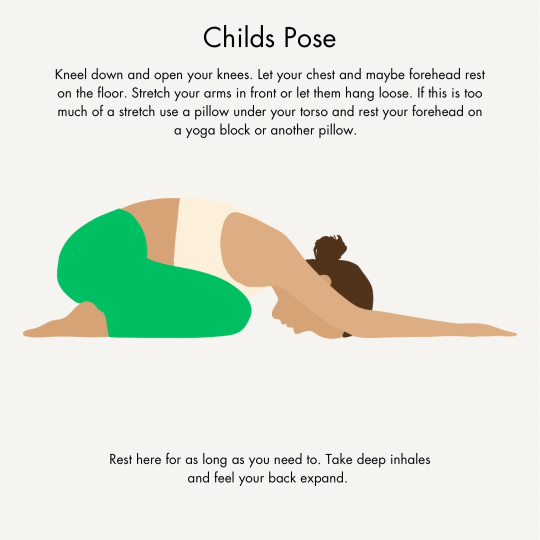
4. Childs Pose
A counter pose after cobra, this stretches out your lower back. Again super nice after a pickleball game if you feel it in your back.
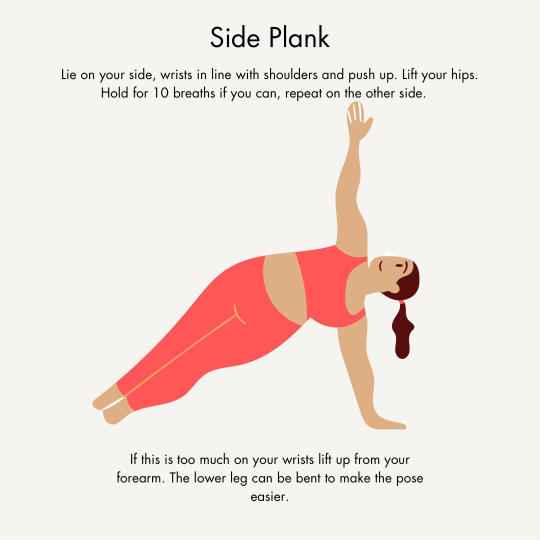
5. Side Plank
Is a weight bearing pose. Strengthens your arms, shoulders and core & helps with your balance.
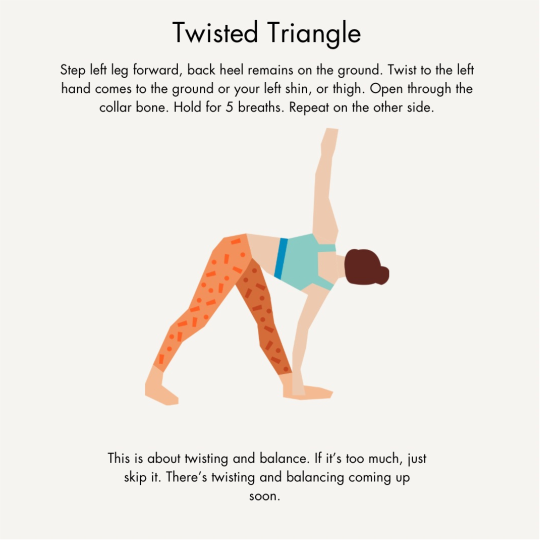
6. Twisted Triangle
is also weight bearing. Works on your balance, strengthens your legs and core, opens up your chest and shoulders.
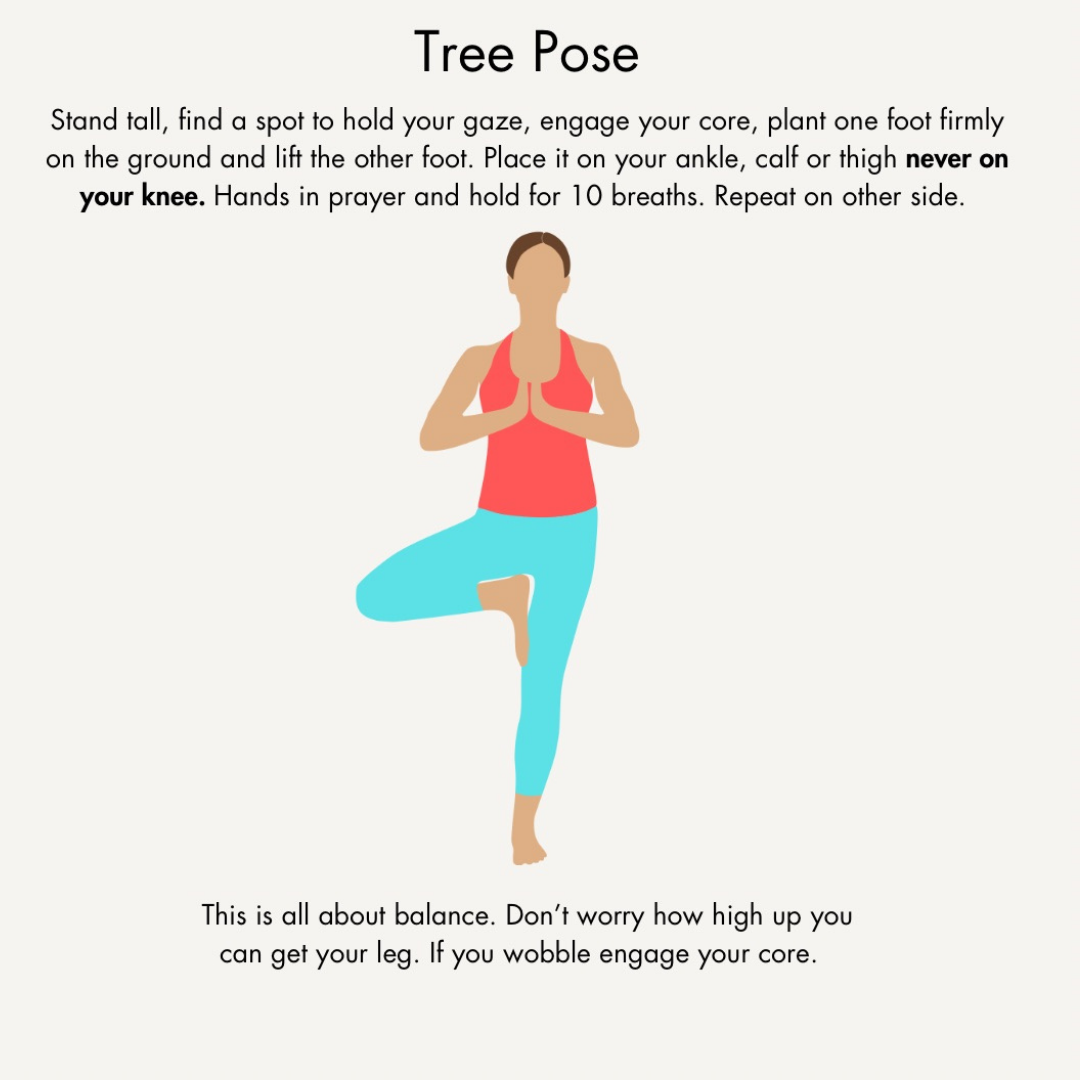
7. Tree Pose
This is great for balance, your core strength and leg strength & working on sharpening your focus.
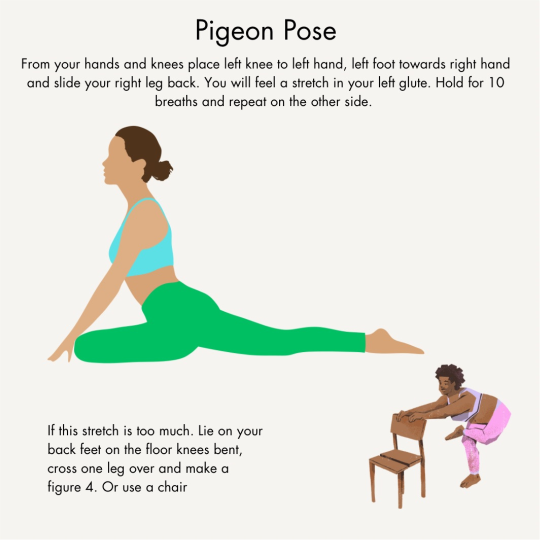
8. Pigeon Pose
This is a great hip opener.
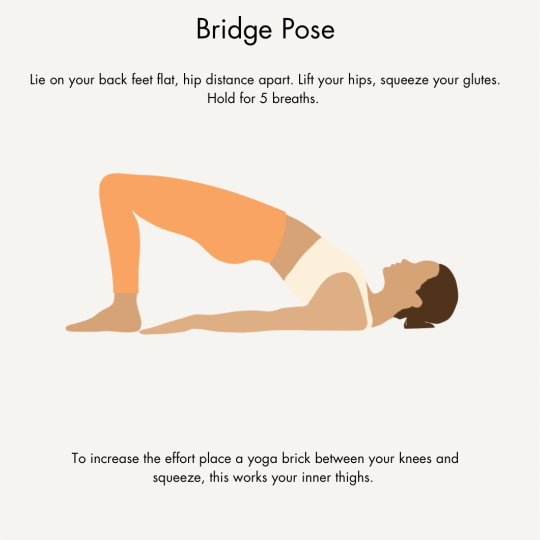
9. Bridge
Strengthens your glutes, back and core
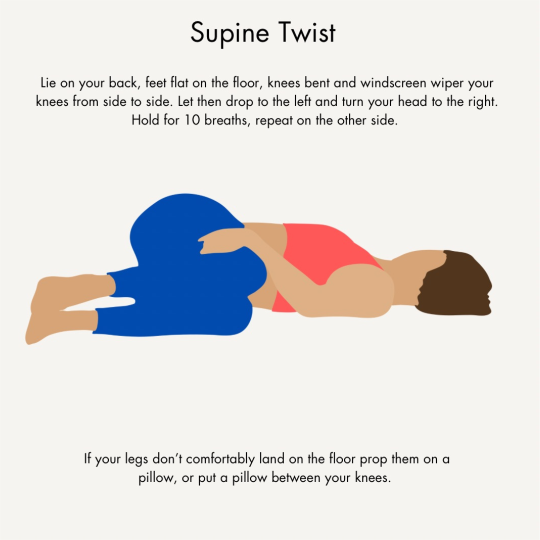
10. Supine Twist
Releases tension in your lower back.
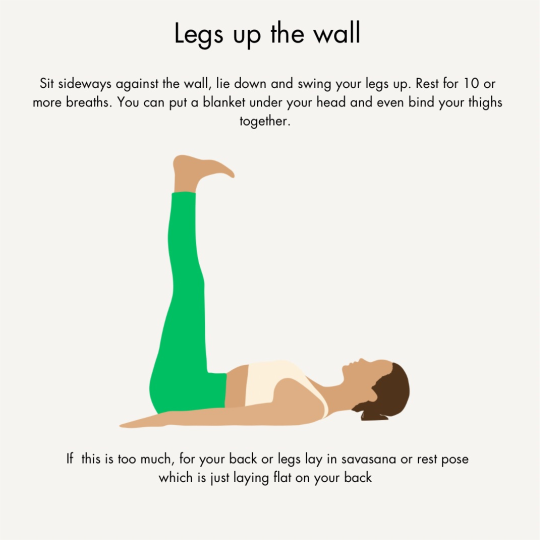
11. Legs up the Wall
A gentle inversion and a stretch for your back and legs, good for tired feet and legs after a game.
The difference between a yoga class and yoga therapy
A general yoga class can be beneficial for strength and flexibility.
Yoga therapy is different.
It isn’t prescriptive or formula-based. It doesn’t assume every shoulder or knee needs the same “fix.”
Instead, yoga therapy is responsive.
Sessions are shaped around how your body is presenting that day — your current tension patterns, fatigue levels, recovery capacity, and overall load from sport and life.
For pickleball players, that might mean:
- Supporting recovery after a tournament weekend
- A personalized yoga practice for resilience/recovery
- Creating space in overworked shoulders
- Building steadiness after repeated lateral strain
- Helping your system settle after high-adrenaline play
It’s less about correcting and more about restoring balance.
Rather than pushing harder, the work is to help your body reorganize, adapt, and stay resilient over time.
If you’re experiencing recurring irritation or simply want to support longevity on the court, a personalized approach can make all the difference.
Find out more about my Personalized Yoga Therapy services here.
Stay strong on the court
Pickleball should feel energizing — not depleting.
With intentional mobility work, targeted strength, and intelligent recovery, you can:
- Improve reaction time
- Reduce injury risk
- Recover faster
- Play longer
Movement longevity is possible — when your training supports your body, not just your game.
Why not book a yoga therapy session with me
Frequently asked questions: Yoga for Pickleball Players
Is yoga good for pickleball players?
Yes. Yoga can improve mobility, balance, and recovery — all essential for pickleball performance. A therapeutic approach also helps reduce repetitive strain in shoulders, elbows, hips, and knees.
Can yoga help prevent pickleball injuries?
Yoga supports injury prevention by improving joint stability, muscular balance, and body awareness. It also encourages better recovery between games, which reduces overload patterns that lead to irritation.
What are the most common pickleball injuries yoga can support?
Common issues include:
- Shoulder tightness or rotator strain
- Tennis elbow
- Wrist irritation
- Hip stiffness
- Knee discomfort
A targeted yoga practice helps restore mobility while supporting stability in these areas
Should I do yoga before or after pickleball?
Both can be helpful.
Before play, focus on dynamic mobility and activation.
After play, choose slower stretches and breathing practices to support recovery and nervous system regulation.
Is yoga therapy different from regular yoga for athletes?
Yes. While regular yoga classes offer general benefits, yoga therapy is individualized and responsive. It adapts to how your body is functioning and recovering, rather than following a fixed sequence.
Leave a Reply